Embedded Axle Weighing Scales (Weigh-In-Motion) for Roadway Inspection Applications
This product family includes the most modern embedded (in-ground) weighing systems, specifically designed for monitoring road traffic, identifying overloaded vehicles, and dynamically collecting weight data. These systems ensure high-precision measurement at high speeds, minimizing traffic disruption while complying with strict regulatory requirements.
Overview and Key Features
Intercomp's embedded Weigh-In-Motion (WIM) Axle Scales offer an ideal solution for border control, police, and traffic enforcement agencies that require fast, reliable, and certified weighing without having to stop or slow down vehicles for static weighing.
Main Advantages:
- Dynamic Measurement: Enables the weighing of vehicles in motion, significantly increasing inspection capacity.
- Integrated Solutions: Design specifically engineered for embedding, ensuring minimal footprint within the roadway structure.
- High Accuracy: The latest sensor and signal processing technologies guarantee certified measurements.
- Data Acquisition and Analysis: Compatible with advanced displays and software for recording, storing, and analyzing measurements.
- Adaptability: Configurations adaptable to various road structures and traffic demands.
Product Family Details
Embedded WIM systems can be grouped into several main categories, offering different technologies and installation methods:
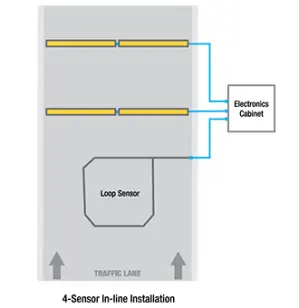
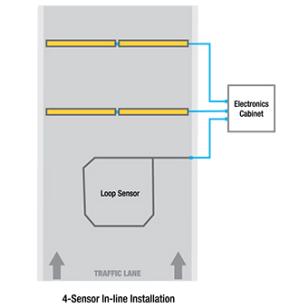
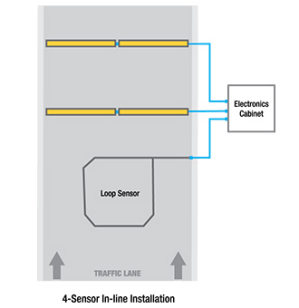
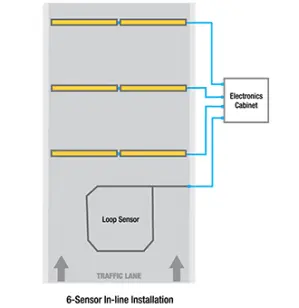
1. WIM Strip Sensors (Weigh-In-Motion Strip Sensors)
These systems offer the most discreet installation solution, where the measuring elements are thin strips embedded into the asphalt or concrete.
- Application: Ideal for retrofitting into existing road surfaces where traffic disruption must be minimized.
- Advantage: Extremely low profile, requiring minimal speed restrictions during measurement.
2. LS-WIM® Axle Weighing Scales (In-Ground Axle Scales)
These full-value, embedded axle weighing systems provide a more robust design, often offering higher accuracy and reliability for permanent installations.
- Features: Fully embedded load cells and platforms that withstand extreme weather conditions and high traffic volumes.
- Usage: For permanent inspection points, highway ramps, and border crossings.
3. WIM Platform Scales (WIM Platform Scales)
These systems represent a complete, pre-fabricated platform sunk into the road structure. They allow for faster installation than fully custom embedded solutions.
- Előnyök: Modular construction for easier maintenance and calibration.
Technical Specifications and Compatible Devices
Appropriate accessories and data processing units are essential for the construction of an effective WIM system.
| Component |
Description |
Application Area |
| Sensors |
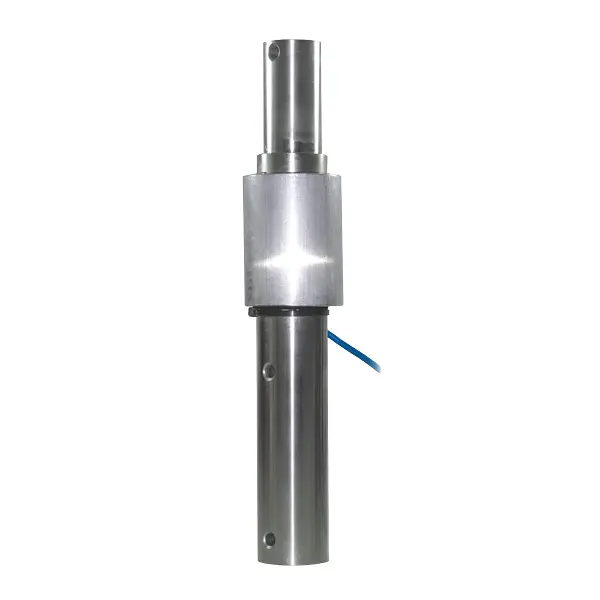
Heavy-duty, weather-resistant WIM scales or built-in load cells. |
Dynamic measurement of axle and gross weight. |
| Signal Converters |
Conversion of analog signals into digital data at high speed. |
Ensuring measurement accuracy. |
| Displays/Indicators |
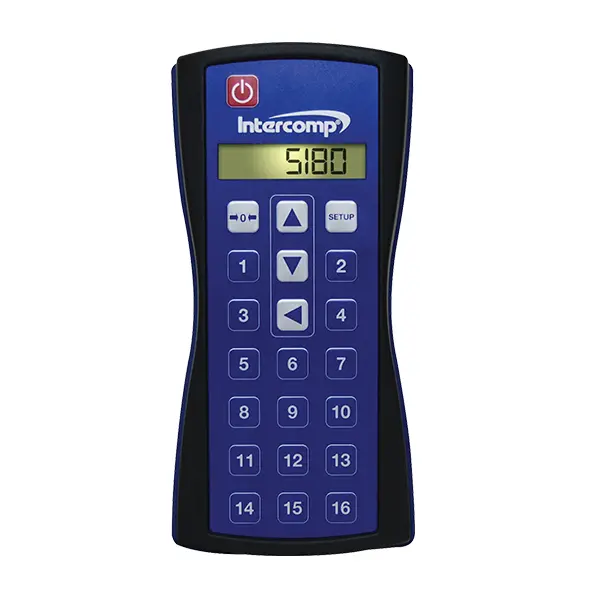
Touchscreen CPUs (e.g., TAC30™), or wireless handheld displays (e.g., RFX®). |
Real-time weight display and data management. |
| Software |
ACWeigh™ or iACWeigh™ software. |
Data acquisition, report generation, archiving, and weight data analysis. |
| Calibration |
Load-testing rigs (e.g., CSM™ Manual or CSA™ Automatic). |
Ensuring regular system calibration. |
Accessory Applications and Systems
Although the focus is on built-in WIM systems, Intercomp's full portfolio supports the entire spectrum of weigh-in-motion enforcement:
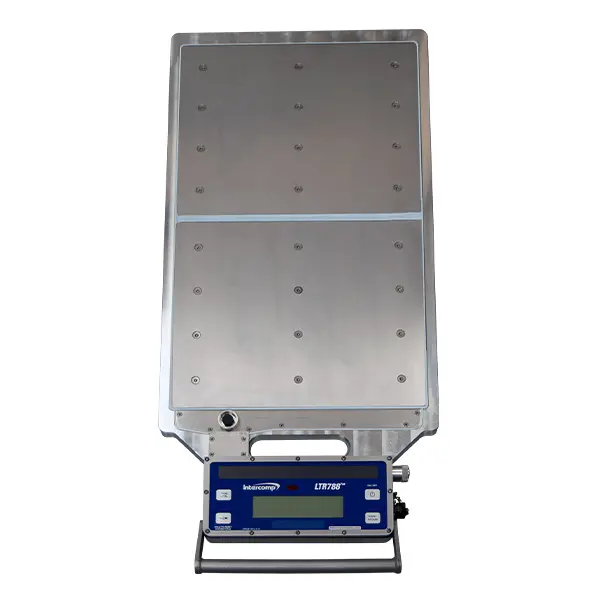
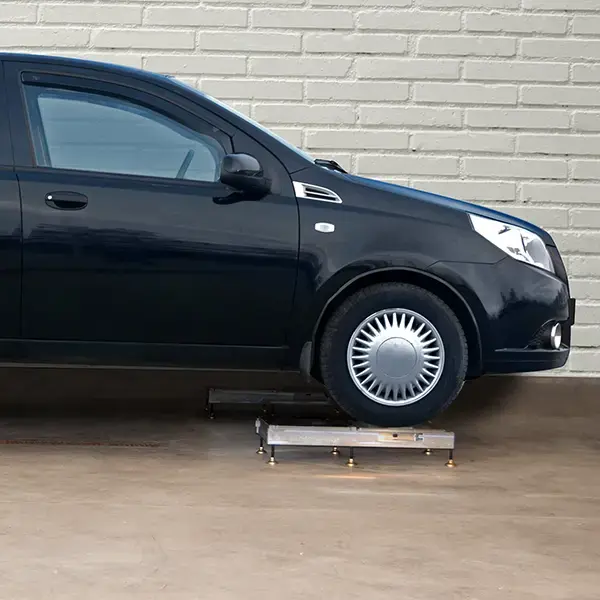
- Portable WIM Systems: (E.g., LS788-WIM™ and LS630-WIM™) Ideal for temporary inspection points or quick site changes.
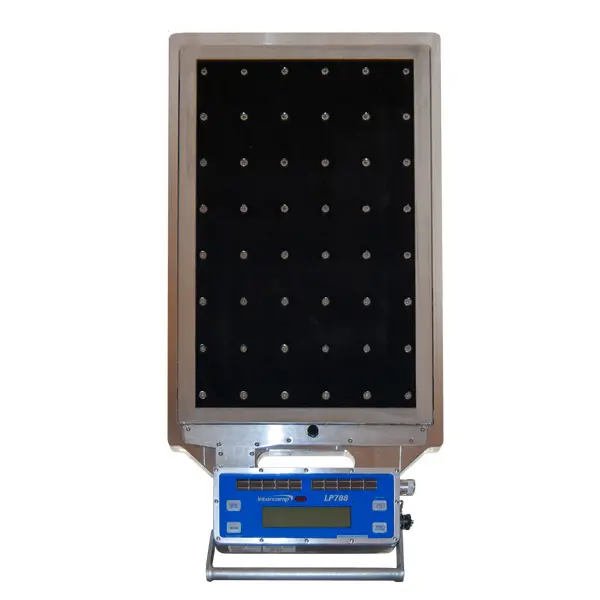
- Portable Static Scales: (E.g., LP788™ and AX900™) For static checks when a WIM measurement indicates overweight, or when a full inspection is required.
- Data logging: The systems are capable of integrating into existing traffic management databases, supporting traffic monitoring and automated vehicle recognition (ETC).
Technological Advantages in Weigh-in-Motion Enforcement
Built-in WIM systems are crucial for modern road safety and infrastructure protection strategies.
1. High-Speed Accuracy
Modern WIM technology can measure vehicle weight even at speeds of 80-100 km/h with minimal error rates. This capability is critical on high-traffic highways where slowing down or stopping would cause significant congestion. The system compensates for the vehicle's dynamic movement (suspension, leaning) using advanced algorithms.
2. Robust Design
The built-in systems must operate under extreme environmental conditions:
- Temperature Range: Capable of operating in extreme cold and heat.
- Water Resistance: Fully enclosed, water- and dust-proof housings (IP rated) protect the sensitive load cells.
- Load capacity: Their design guarantees resistance to the axle loads and surface loads of the heaviest commercial vehicles.
3. Legally Certified Weighing
This type of equipment often possesses international and local metrological certifications that ensure data measured by the WIM can be used in legal proceedings, for imposing fines, or for removing vehicles from traffic. The system ensures traceability of the measurement through calibration data.
4. Applications Beyond Roadside Enforcement
Although primarily intended for roadside enforcement, these WIM technologies can be applied in other areas:
- Customs and Port Enforcement: Ensuring the quick passage of containers and commercial vehicles while filtering out overweight units.
- Toll Collection (Tolling/ETC): Automatic identification of vehicle classes and axle loads within toll zones.
- Data logging: Long-term traffic counting and axle load distribution analysis for pavement network design.
System Integration and Support
Intercomp provides comprehensive support for the installation and operation of embedded WIM systems.
Installation Services:
The installation of embedded systems requires specialized engineering knowledge for optimal measurement. The manufacturer ensures professional installation, including road surface preparation and precise sensor adjustment.
Indicators and Software:
Measurement processing occurs through user-friendly displays. Modern displays (e.g., touch-screen CPUs) allow the operator to quickly query measurements, flag overweight vehicles, and export data. Software (ACWeigh™) ensures a complete audit trail.
Maintenance and Calibration:
Regular maintenance and calibration are necessary to maintain the accuracy of WIM systems. The manufacturer's offering of Force Measurement Test Stands allows for on-site or laboratory calibration, ensuring continuous compliance with measurement standards.
This embedded WIM solution offers the highest level of reliability and efficiency in the field of weighing vehicles on public roads.