A weighing system is „good” if it provides consistent, indisputable measurements in actual operation – not just in the catalog.
Giropes is specifically strong in the installed, industrial application-oriented solutions: in truck scales and in integrated systems that can be adapted to site processes and operated stably in the long term.
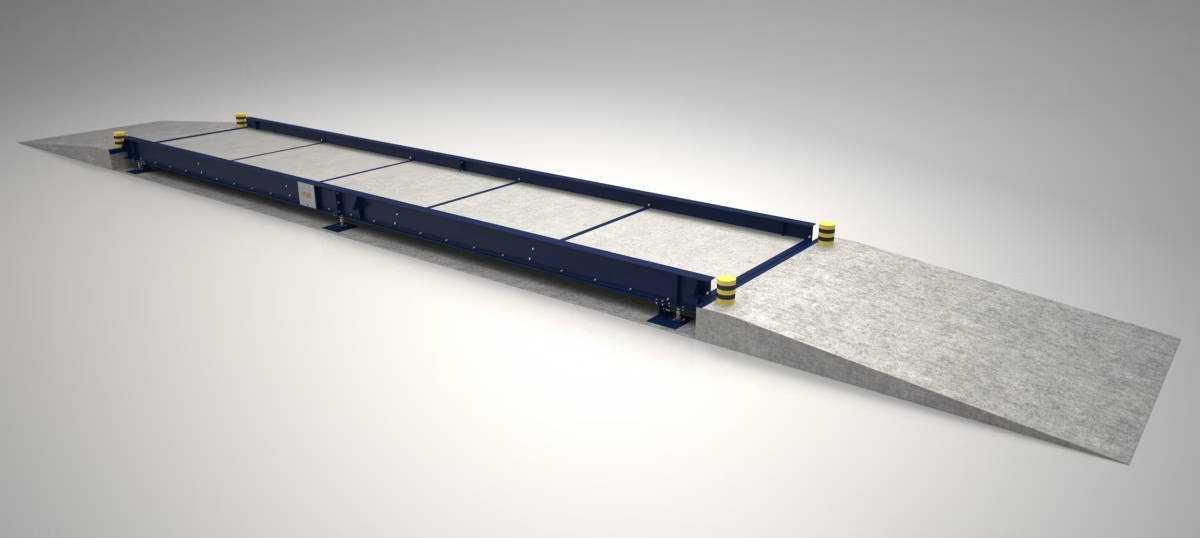
The truck scale is the „spine” of site weighing: it serves the same purpose at acceptance, dispatch, internal accounting, and inspection: a consistent, traceable measurement result. The right choice here is not just about load capacity—it's also about installation, usage routine, and operability.
Less disputes at acceptance and dispatch, the measurement result is traceable.
Faster site process: measure, document, proceed
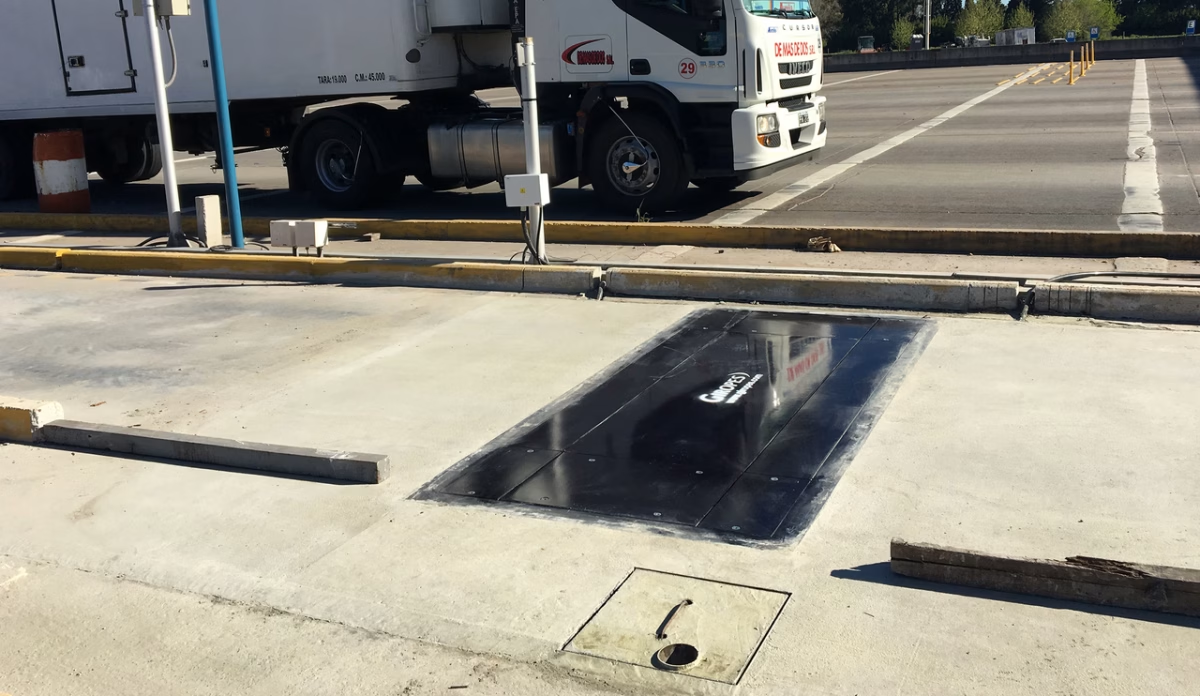
Installation method can be above-ground or pit-installed, adaptable to traffic flow
Fixed measuring point on site: fast control, uniform measurement routine.
Inspection point that fits into daily operations
Fewer measurement disputes because the measurement process is consistent
Good for adherence to internal regulations, avoiding overloading
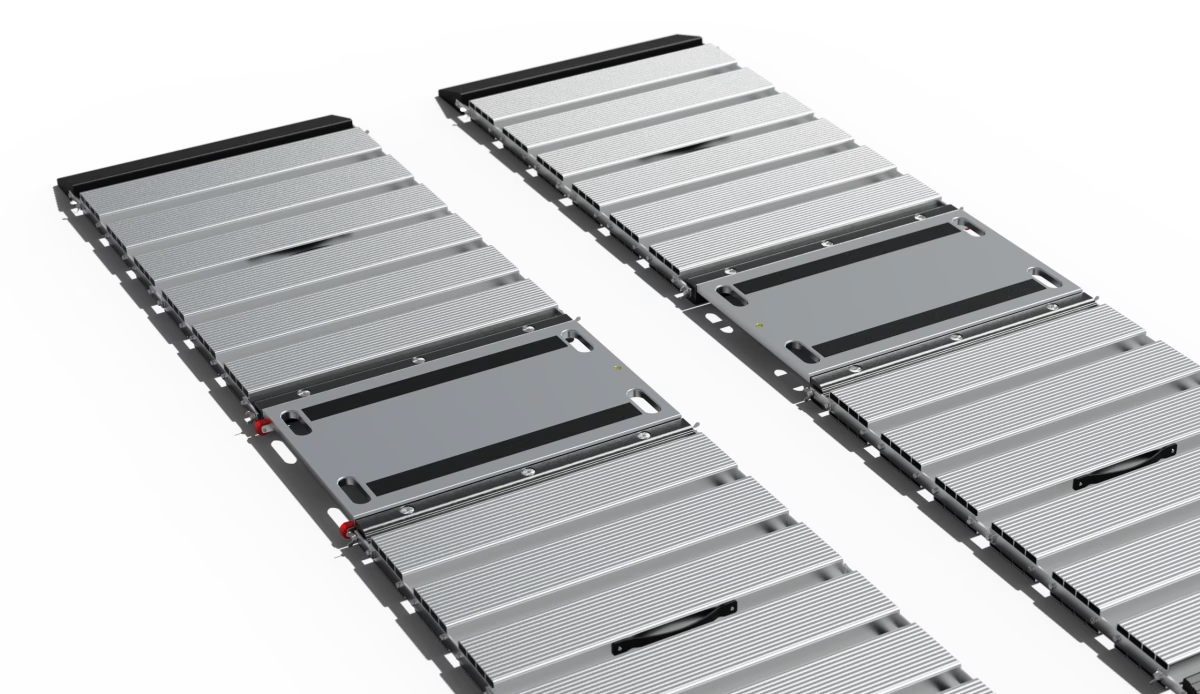
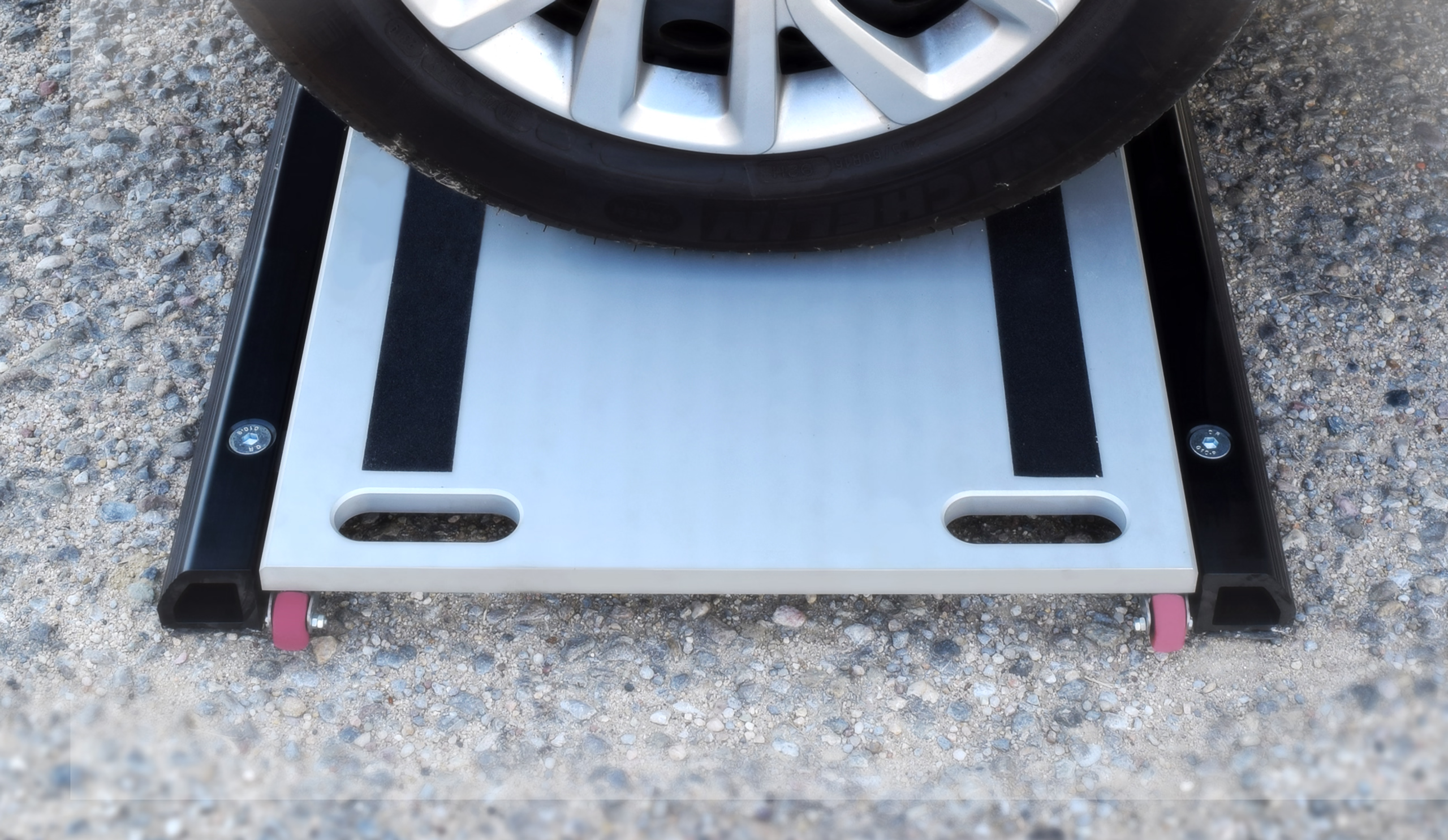
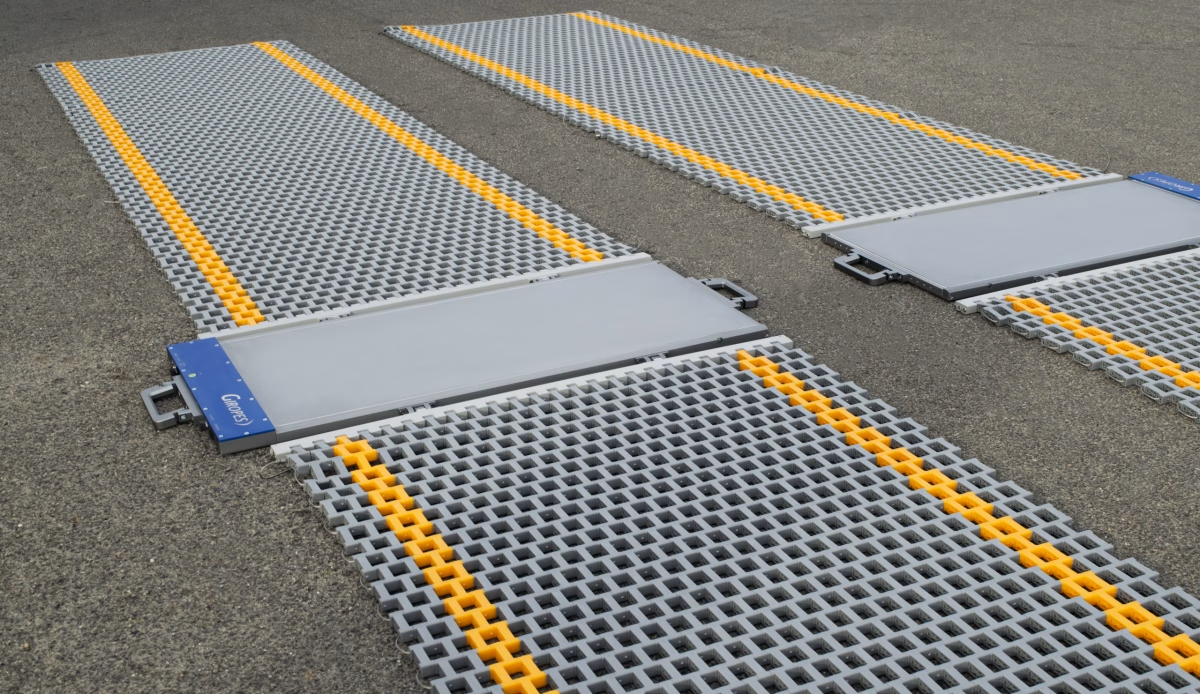
Flexible measurement where it is needed.
Quick on-site inspection at multiple locations or changing points
Ideal if it doesn't make sense to build a fixed measuring point
Usable for acceptance testing, fleet operation, or pre-screening
The portfolio covers multiple measurement scenarios — so a solution matching the requirement can be selected without having to introduce a system with „different logic”.
Corrosion Protection
Overload indication
Cleanable design
Industrial process measurement
Dynamic measurement
Platform scale
Operational accuracy
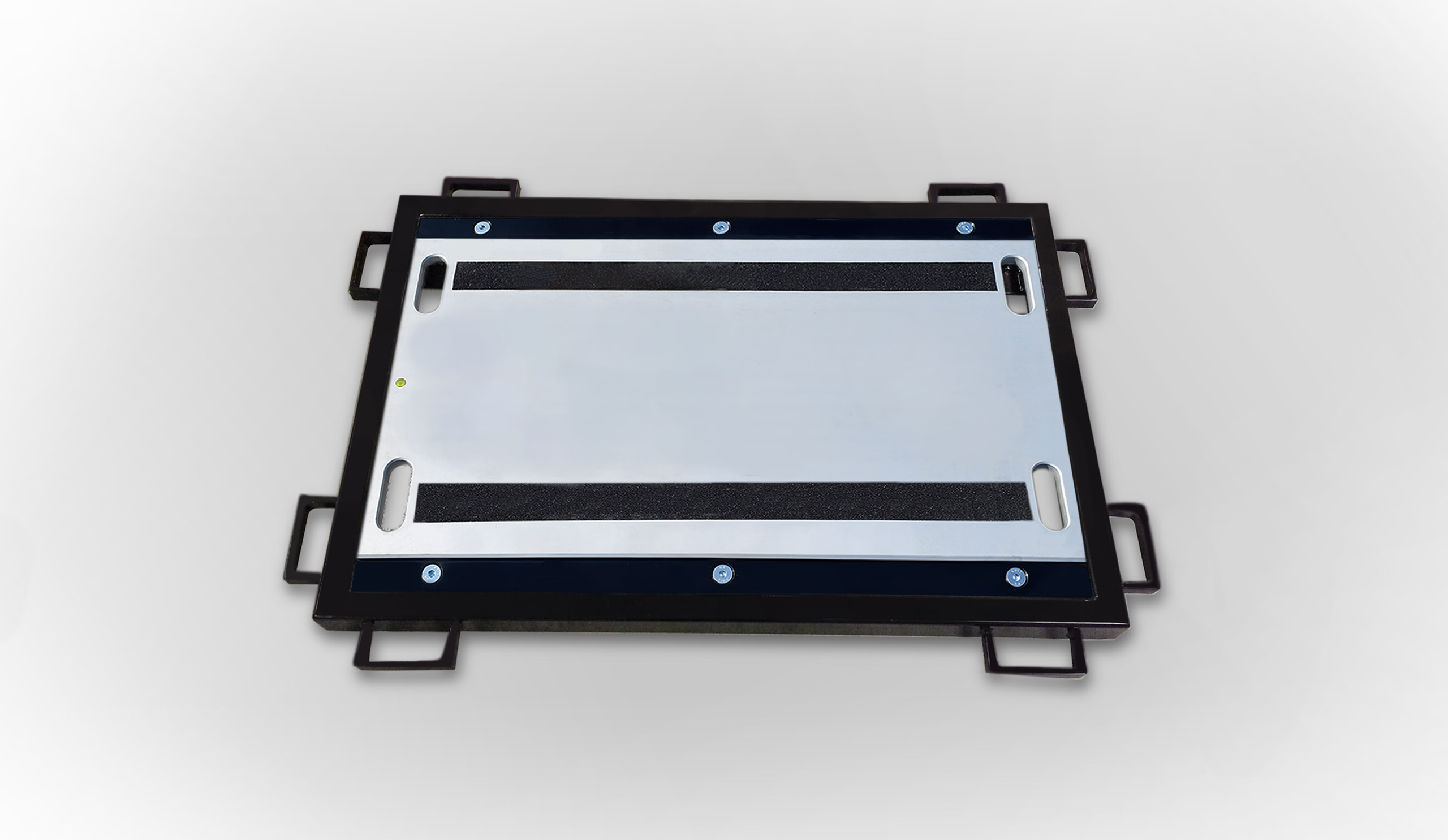
One of the key advantages of GIROPES weighbridges is their modular design, allowing configuration tailored to site conditions – instead of a one-size-fits-all structure, you get a purpose-built setup.
Multiple load cell configurations választható a feladathoz
Different installation height options: “notch” version (310 mm) or “under-beam” arrangement (475 mm).
Corrosion Protection and installation accessories (ramps, guide rails, foundation elements) for long-term operation.
The load cell is located within the structure in a protected position. This is the point where the load is converted into a measurement signal, so the goal is stable load transfer during operation and accessibility for inspection and maintenance.
Stable load transfer: the design ensures that the load is transferred to the cell in a controlled manner, minimizing the impact of side effects on measurement.
Serviceability: inspection, replacement, and calibration can be carried out as planned.
Easy to clean: accessible measuring point and removable components if needed.
What is the measurement objective: takeover/release, internal control, or regulatory compliance?
What is the actual load and usage routine (frequency, traffic, stopping/coasting)?
What is the environment like: water/chemical/dust/vibration, and what do these mean in operation?
What limitations are associated with the installation: location, foundation, sinking, cleanability?
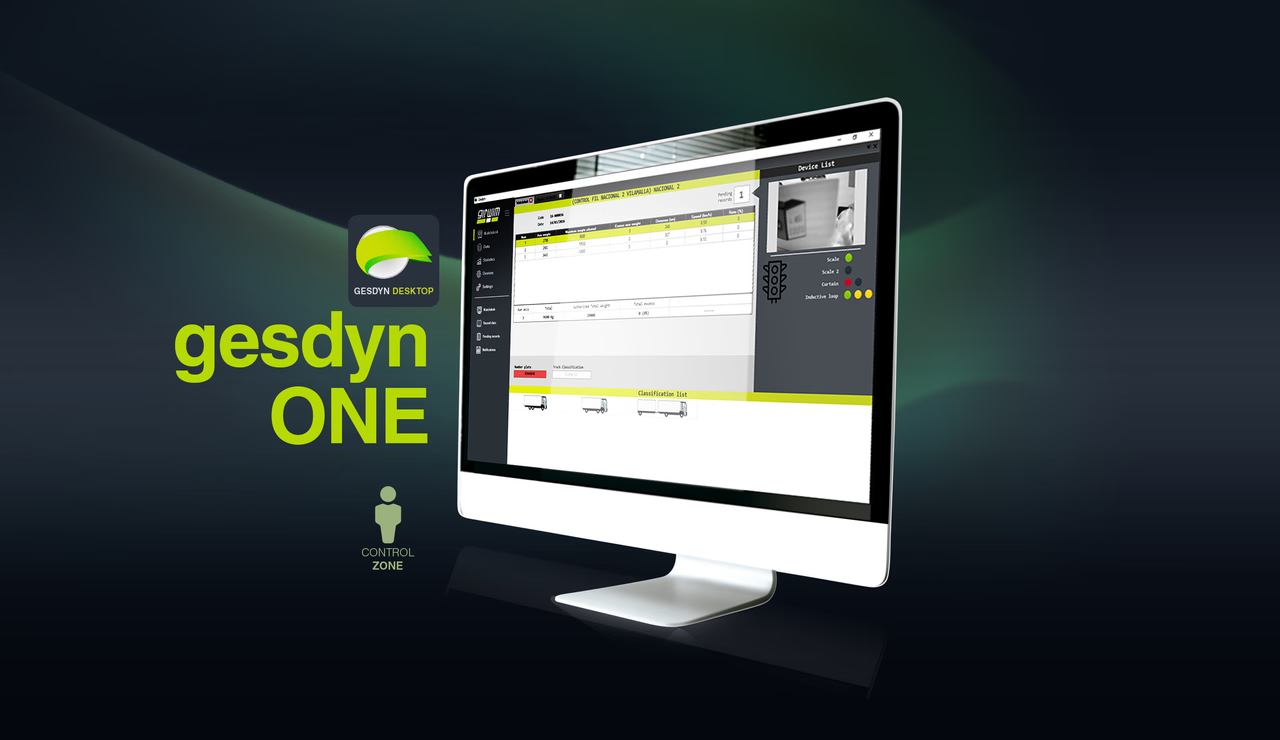
Is data reading/reporting required: who uses the measurement and for what (internal accounting, retrieval)?
Based on these, the appropriate direction can be quickly determined.
To provide the best experiences, we use technologies like cookies to store and/or access device information. Consenting to these technologies will allow us to process data such as browsing behavior or unique IDs on this site. Not consenting or withdrawing consent, may adversely affect certain features and functions.