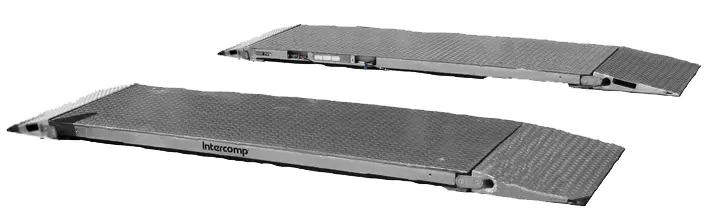
Weighing Systems for Electric Vehicles
The weighing systems offered by the Intercomp group, specifically developed for electric vehicles, represent the latest technology for the precise determination of vehicle weight and axle loads. With the rise of electric mobility, the precise measurement of electric vehicles, which have different weight distributions and battery placements compared to traditional vehicles, is crucial for safety, efficiency, and regulatory compliance. These systems are ideal for electric vehicle manufacturers, test centers, maintenance facilities, and fleet managers.
Comprehensive Solutions for Electric Vehicles
The weight distribution of electric vehicles often differs significantly from their internal combustion engine counterparts, thanks to the high mass and low installation position of the batteries. This weight distribution affects handling, tire wear, and suspension load. Intercomp EV weighing systems are optimized to account for these unique characteristics, providing extremely accurate data.
Main Application Areas:
- Battery Weight Distribution Analysis: Precise measurement for determining the center of gravity and optimizing vehicle dynamic behavior.
- Payload Optimization: Ensures that vehicles do not exceed permissible axle load limits, especially with heavy battery packs.
- Suspension Calibration: Enables fine-tuning of suspension components (springs, shock absorbers) for the specific weight conditions of the electric vehicle.
- Prototype Testing: Provides critical data during the development phase of new electric vehicle models.
- Fleet Management and Maintenance: Regular checks to maintain the optimal condition of the vehicles.
Technical Specifications and Benefits
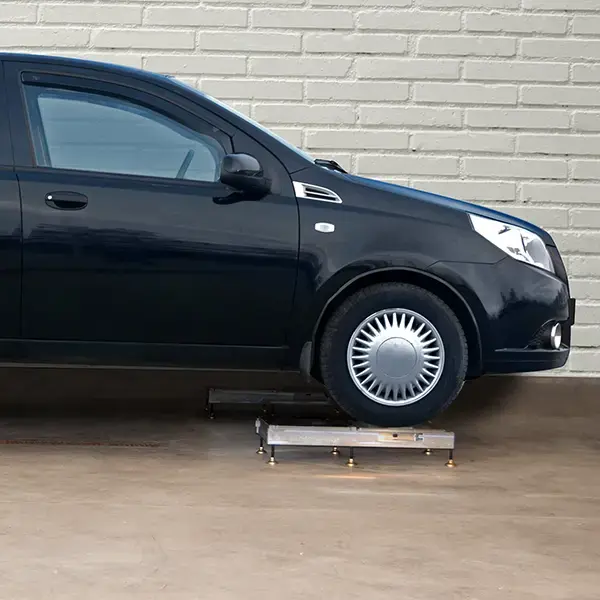
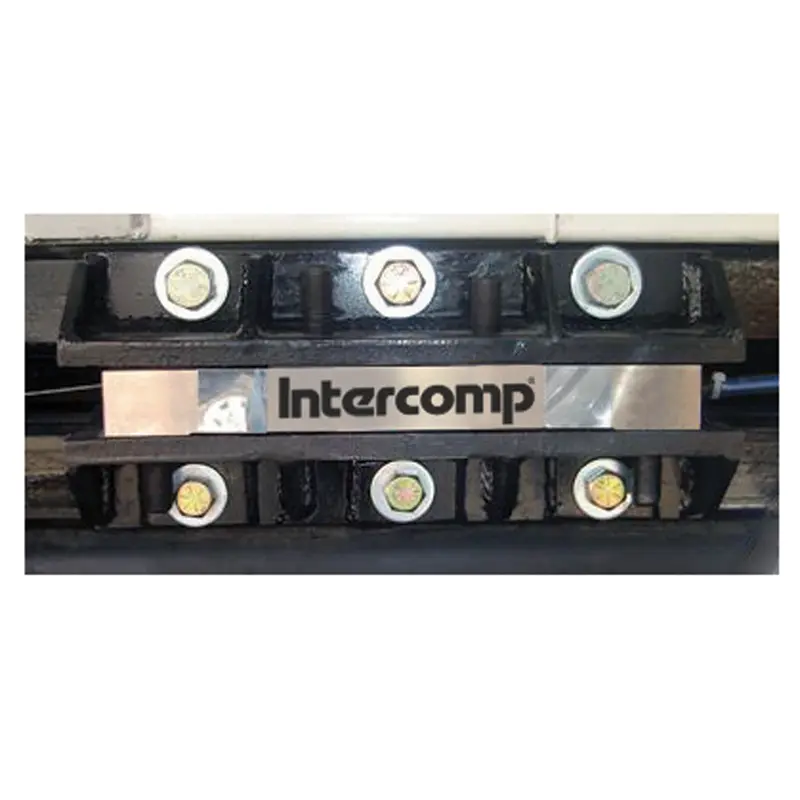
Electric vehicle weighing systems offer a combination of portability, robustness, and digital accuracy. The system generally includes high-capacity load cells (weighing pads), as well as advanced displays and software for processing and recording measurements.
Main Advantages of the System:
- High Accuracy: The state-of-the-art digital technology ensures extremely low error margins, which is essential for precise engineering work.
- Robust Construction: The weighing pads withstand extreme environmental conditions and heavy loads, making them ideal for use in industrial and testing environments.
- Wireless Connection: Most systems support wireless data transfer (e.g., RFX® technology), which simplifies installation and minimizes cabling issues.
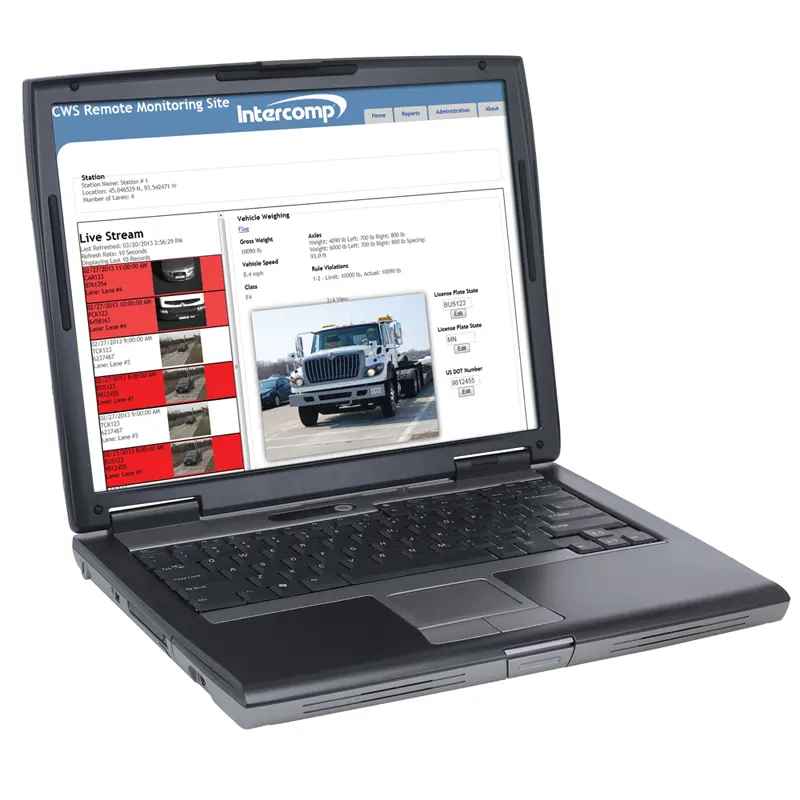
- Integrated Software Solutions: Dedicated software (e.g., adaptation of ACWeigh™ or iACWeigh™ concepts) allows for quick analysis, storage, and reporting of weight data.
- Portability: The portable pads are lightweight and quick to set up, making them ideal for measurements conducted at different locations.
Technical Specifications (General Category)
Although precise specifications depend on the specific model chosen (e.g., portable wheel weigher, low-profile pad), systems intended for electric vehicle applications generally have the following technical parameters:
| Characteristic |
Description / Value |
Note |
| Weighing Capacity (Axle) |
Depending on the model, often above 15,000 kg (30,000 lbs) |
Of particular importance due to the higher gross weight of electric vehicles. |
| Pontosság |
± 0.1% or better |
Ideal for fine-tuning weight distribution. |
| Resolution |
1 kg (2 lbs) or better |
The smallest measurable change. |
| Communication |
Wireless (RF) or Wired (RS-232/USB) |
Wireless options provide flexibility. |
| Display Unit |
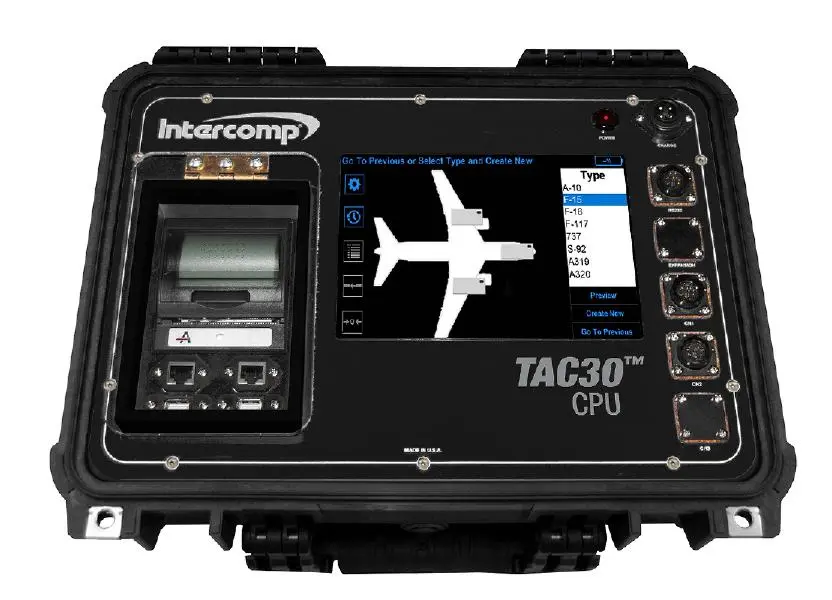
Digital display, touchscreen options (e.g., TAC30™ type CPU) |
Intuitive user interface. |
| Operating Temperature |
Wide range (between -20°C and +50°C) |
For outdoor and test environment use. |
| Pad Material |
High-strength aluminum or steel alloys |
Durability and weight optimization. |
| Profile Height |
Extremely low profile |
Facilitates vehicle roll-on/roll-off. |
The Role of Displays and Software
The efficiency of electric vehicle weighing systems is greatly enhanced by the associated displays and software. These components enable the immediate interpretation of raw measurement data.
Display Units (Indicators):
Modern displays, such as the touchscreen CPUs offered by Intercomp (e.g., TAC30™), not only show the weight but are capable of:
- Multi-point Weighing: Handling data from multiple weigh pads simultaneously, enabling the display of individual wheel, axle, and gross weights.
- Weight Distribution Calculation: Automatically calculating the percentage distribution of weight across individual axles, which is critical for EVs.
- Data Logging: Recording measurements with a timestamp for later analysis.
- Wireless Displays: Handheld, wireless indicators (e.g., RFX® Handheld) provide the operator with flexibility while moving around the vehicle.
Software Support:
Software optimized for EV development (such as solutions based on the principles of ACWeigh™) offer deeper analytical capabilities:
- Graphical Analysis: Visualization of weight data over time or under different load conditions.
- Regulatory Reporting: Automatic report generation to certify compliance with local or international weight limits.
- Integration: Possibility of data exchange with other vehicle dynamics or telemetry systems.
Application Examples in the Electric Vehicle Sector
Intercomp weighing systems can be applied across a wide spectrum in the electric vehicle lifecycle:
1. Battery Installation and Center of Gravity Verification
In the case of electric vehicles, the placement of batteries on the vehicle chassis dramatically affects stability. With the help of weighing systems, manufacturers can check whether the weight of the installed batteries is concentrated precisely in the intended location. Measuring axle load helps confirm that the vehicle's center of gravity is positioned at an optimal height and center for the best handling.
2. Fast Charging Stations and Infrastructure Design
Although primarily measuring vehicle weight, the systems can also be used for charging infrastructure design, especially for high-capacity vehicles loaded with batteries (electric trucks, buses), ensuring that the foundations of charging stations and parking spaces can support the static load.
3. Test Track Measurements
On test tracks, the scales allow engineers to quickly and repeatedly measure vehicle weight in different configurations (e.g., at various battery charge levels, or with different auxiliary equipment). This is essential for measuring range and performance.
Maintenance and Calibration
To maintain accuracy, Intercomp systems support regular calibration. Available in the company's portfolio are Force Testing Stands, such as CSM™ or CSA™ systems, enable the calibration of load cells on-site or under laboratory conditions, ensuring that electric vehicle measurement data always complies with the strictest industry standards.
In summary, Intercomp EV weighing systems are indispensable tools for the development and operation of electric vehicles, where precise knowledge of weight and weight distribution is fundamentally important to guarantee performance, safety, and regulatory compliance.