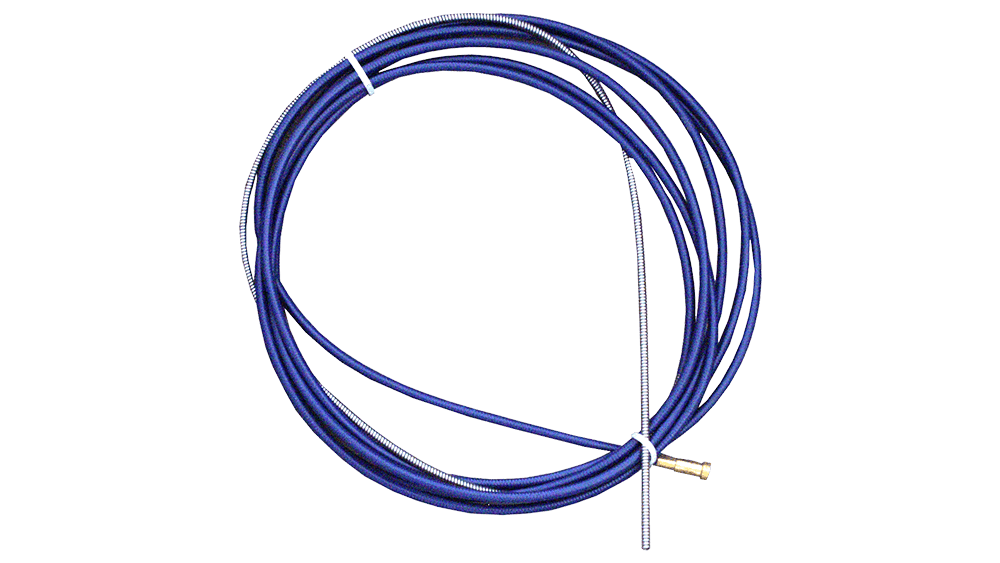
Steel Wire Liner, 3 meter, Blue (Part No: 337107)
This detailed product description presents an excellent quality steel wire liner from the Wieländer+Schill professional body repair tools range, specifically developed for MIG/MAG (shielded gas arc welding) technology. This component is essential for ensuring the efficient and reliable operation of welding torches, especially when using steel wires.
Overview and Application
The blue wire liner with part number 337107 (Wire Liner) guarantees the smooth, friction-free transport of the welding wire inside the welding torch. The wire liner plays a crucial role in the stability of the welding process as it minimizes wire jamming and friction-induced wear, thereby increasing welding quality and reducing maintenance requirements.
This model is specifically designed for steel wires has been optimized, and is compatible with two different wire diameters, ensuring flexibility during various welding tasks. The 3-meter length provides a standard working distance in most workshop environments.
Key Features and Advantages
-
Compatibility: Specifically designed for steel welding wires.
-
Multi-size Support: Supports the most common steel wire diameters (0.8 mm and 1.0 mm), making it versatile in use.
-
Hossz: 3-meter length, which provides sufficient freedom of movement for the welder.
-
Color Coding: The blue color facilitates quick identification in the workshop, aiding in selecting the appropriate wire liner for different wire materials or diameters.
-
Anyagösszetétel: Durability and excellent gliding properties are ensured by the combination of plastic and steel.
Technical Data
The table below summarizes the critical technical parameters of the product:
| Property |
Value |
Note |
| Part number |
337107 |
Unique identifier for ordering and identification. |
| Product Name |
Wire Liner |
|
| Base material |
Plastic, Steel (kunststoff, Steel) |
Material of the inner sliding surface and the outer structure. |
| Color |
Blue |
For quick visual identification. |
| Length |
3 m |
For standard length cables. |
| Compatible Wire Diameter |
0.8 mm and 1.0 mm |
For steel wires. |
| Dimensions (L x W x H) |
200 x 180 x 20 mm |
Dimensions of the product when packaged or stored (presumed). |
Detailed Description in the Welding Technology Context
During shielded gas arc welding (MIG/MAG), the continuous feeding of the welding wire is essential. The wire liner (Wire Liner) is the inner tube of the welding torch cable that prevents the wire from rubbing against the outer sheath of the cable, which would cause heat generation, wear, and interruptions in wire feeding.
This 3-meter steel wire liner is part of the Wieländer+Schill welding technology range, targeting professional body repair needs. The internal steel elements ensure the necessary rigidity and precise guidance of the wire, while the outer plastic layer minimizes friction. The blue color coding helps the user quickly distinguish these inserts used for steel wires from the special inserts (often PTFE or other colored) required for aluminum wires, for example.
Support for 0.8 mm and 1.0 mm diameter steel wires means this wire liner is the ideal choice for the most commonly used standard wire sizes, ensuring consistent arc initiation and stable welding parameters.
Accessories (Zubehör)
For maximum efficiency and maintenance, the following accessories are also available (with prices visible after login):
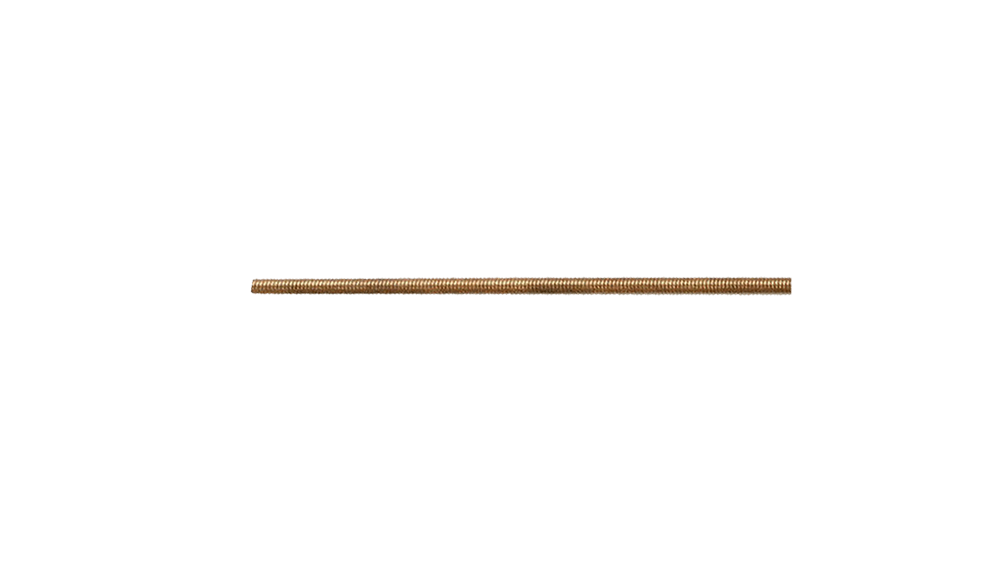
- Copper spiral (Copper spiral | 22 cm)
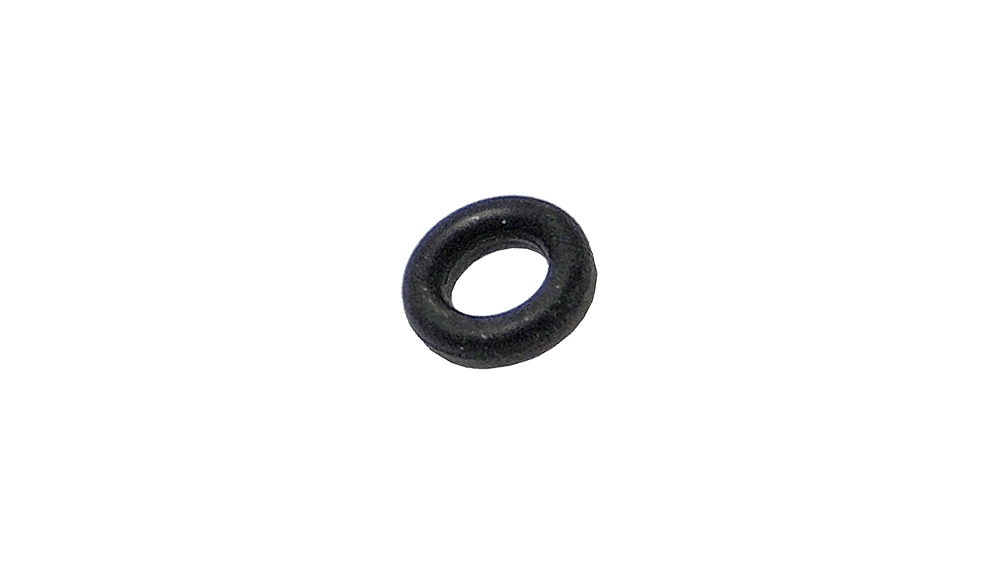
- O-ring for PTFE liners (O-ring for PTFE liners)
-
Part number: 337143
-
Description: O-ring used for sealing PTFE (Teflon) wire liners, although this product is listed among accessories connected to the steel wire liner, it is likely part of securing the gun head or system sealing.
This wire liner is an integral part of the Wieländer+Schill quality welding technology toolbox, guaranteeing reliable and durable body repair work.