Motoplat VC-19 Generator Tester – Detailed Product Description
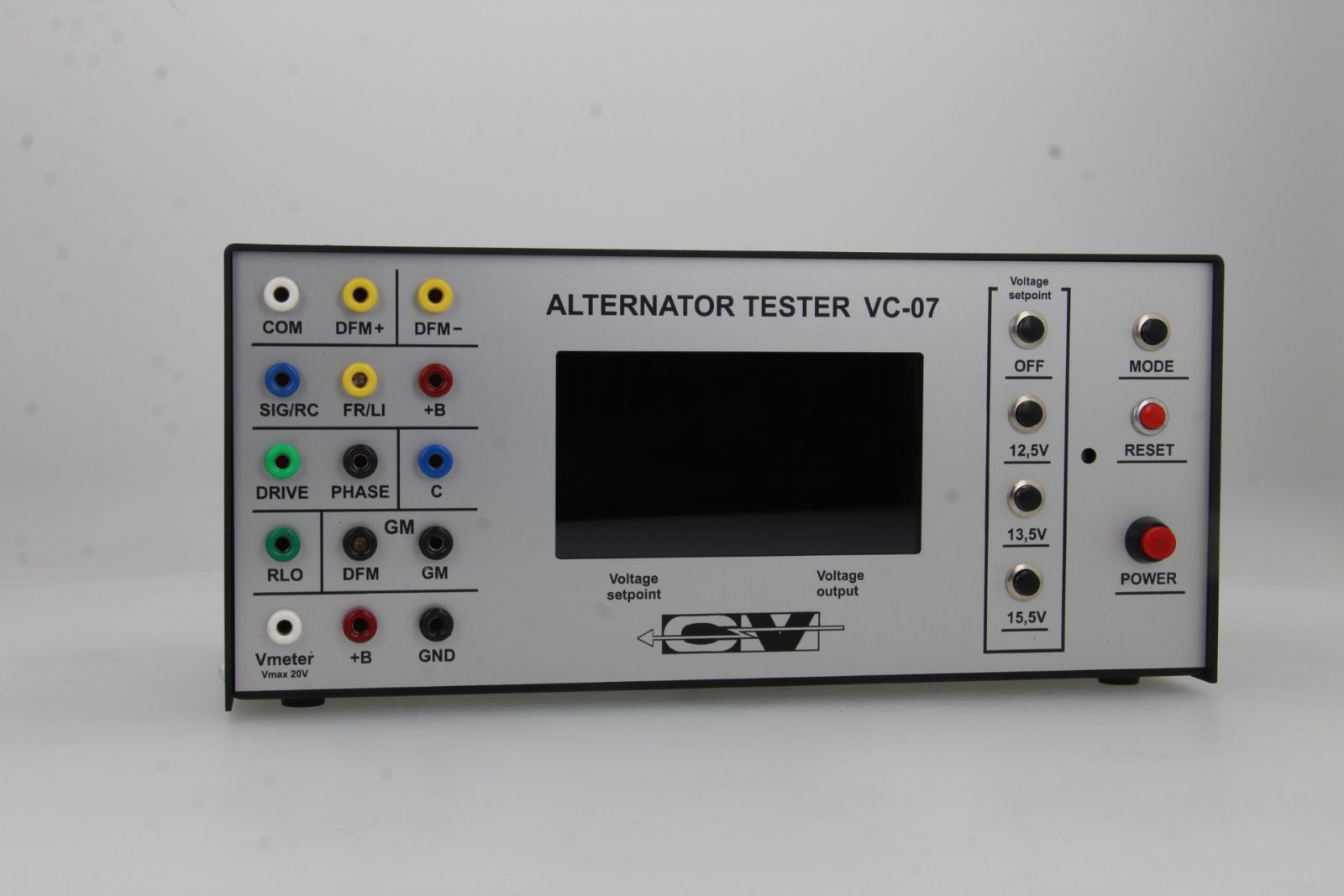
The Motoplat VC-19 generator (alternator) tester is a specially designed, high-precision diagnostic tool intended to integrate perfectly with traditional Motoplat or Bosch type test benches. This unit offers the functionalities of the VC-07 USB model, supplemented to meet the demands of modern workshops. Although this specific model is no longer available, its description showcases the sophistication of Motoplat testing technology.
The goal of the VC-19 tester is the fast and automated testing of generators, significantly reducing diagnostic time and increasing workflow efficiency.
Key Features and Advantages
The VC-19 tester can automatically identify and display the type of regulator found on the generator in a few seconds, via several different protocols. This fast recognition capability is critically important when diagnosing complex regulator electronics used in modern vehicles.
Dynamic Characteristic Testing:
-
Drive Type Identification: The device is capable of identifying the generator's drive type even without the generator being physically connected to the drive mechanism, which provides flexibility in the testing process.
-
Handling of PWM and PD Protocols: When the tester examines PWM (Pulse Width Modulation) or PD (Pulse Duty) protocols, information derived from the DFM (Diagnostic Feedback Message) also appears on the display. This enables precise evaluation of the feedback sent back to the Engine Control Unit (ECU).
-
DFM Signal Display in Percentage: The display of the DFM signal in percentage form provides real-time insight into the generator's instantaneous performance and regulation efficiency, assisting the user in accurately evaluating performance data.
Voltage Regulation and Monitoring:
-
Adjustable Operating Voltage: By default, the VC-19 tester operates at a voltage of 14.5V. However, the user can easily modify this setting using the buttons to simulate the actual charging situation experienced in the vehicle. Available voltage options are:
-
15.5V
-
13.5V
-
12.5V
-
OFF (Switched Off State)
-
Integrated Voltmeter: The device also features a voltmeter function, which provides additional information about the electrical condition of the unit under test.
Connectivity and Software:
- USB Port and Proprietary Software: The VC-19 is equipped with a USB port and has its own dedicated software that can be installed on the user's laptop or PC. This software ensures advanced data management, logging, and fine-tuning of testing parameters.
Integration and Design:
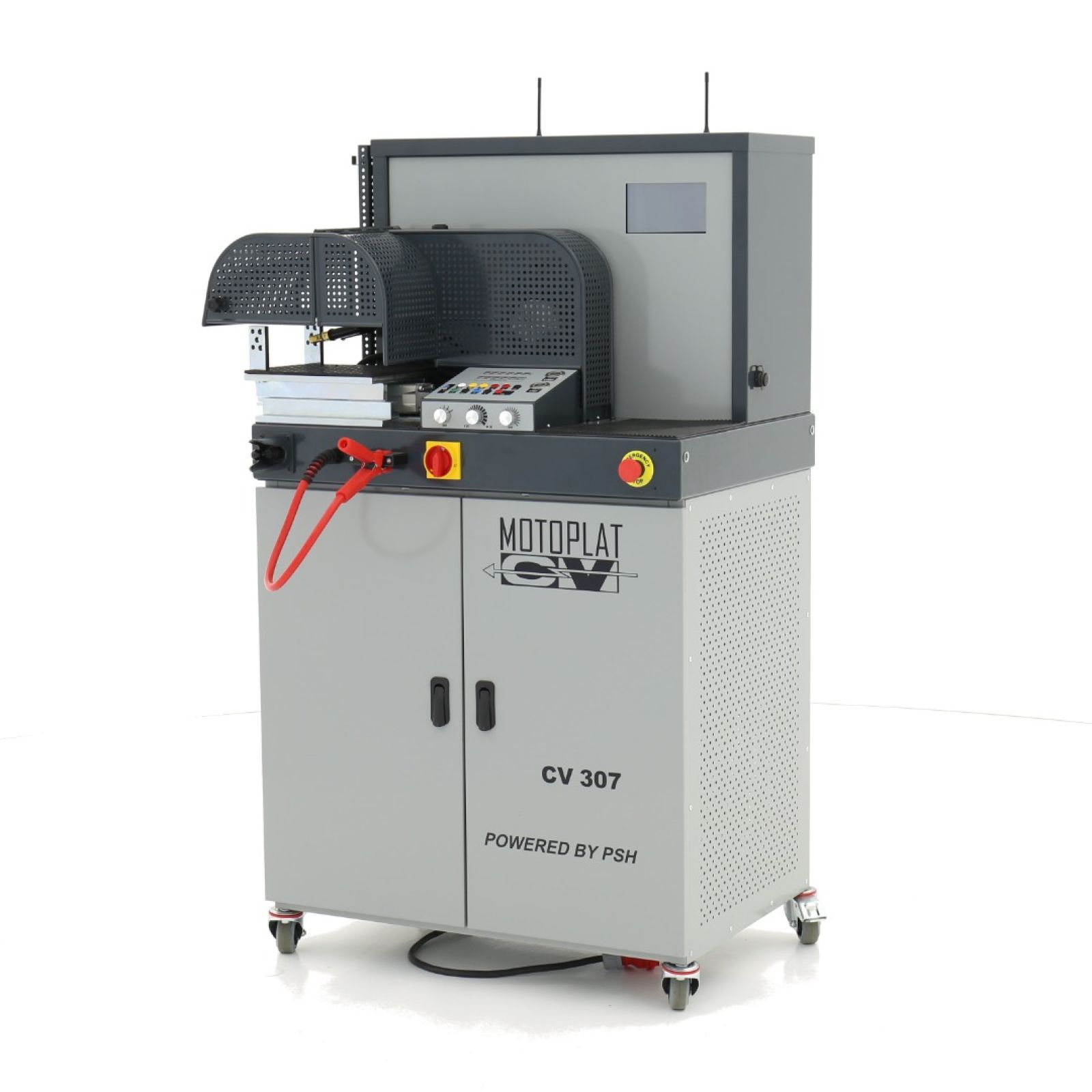
- Test Bench Compatibility: The device is specifically designed to perfectly fit into existing, traditional Motoplat or Bosch test benches, supplementing them without requiring a complete replacement. This „benchtop tester” serves as an accessory to the existing testing infrastructure.
Technical Specifications
The table below summarizes the key technical parameters of the Motoplat VC-19 generator tester:
| Characteristic |
Spezification |
Note |
| Product Category |
Test equipment |
Workshop Equipment |
| Brand |
Motoplat |
CV Motoplat Sub-category |
| Compatibility |
Motoplat / Bosch Test Benches |
Designed for perfect integration |
| Functionality |
VC-07 equivalent with USB functions |
Extended diagnostic capabilities |
| Automatic Identification |
Yes, across multiple protocols |
Recognition of Regulator Type |
| Drive Type Test |
Possible even without a generator |
Flexible testing capability |
| Displayed Protocols |
PWM and PD |
DFM signal display also supported |
| DFM Signal Display |
In Percentage (%) format |
Real-time performance assessment |
| Base Operating Voltage |
14.5V |
Adjustable |
| Selectable Voltages |
15.5V, 13.5V, 12.5V, OFF |
Simulation of real charging condition |
| Accessory Function |
Built-in Voltmeter |
Extra diagnostic data |
| Connection |
USB port |
For data transfer and software connection |
| Software |
Proprietary, installable PC/Laptop software |
Data management and configuration |
Application Area
The Motoplat VC-19 was the ideal choice for workshops that:
-
Use Existing Test Benches: The device could be integrated as an accessory into existing, traditional testing systems, modernizing their capabilities.
-
Work with Complex Generators: It was capable of identifying and testing regulators that use modern communication protocols (PWM, PD), which older testers could not handle.
-
Require Fast Diagnostics: The automatic identification and fast measurements minimized downtime.
This tester shows Motoplat's commitment to generator and starter motor technology, ensuring workshops remain compatible with the newest vehicles. The software-based approach also guaranteed the possibility of future protocol updates.